


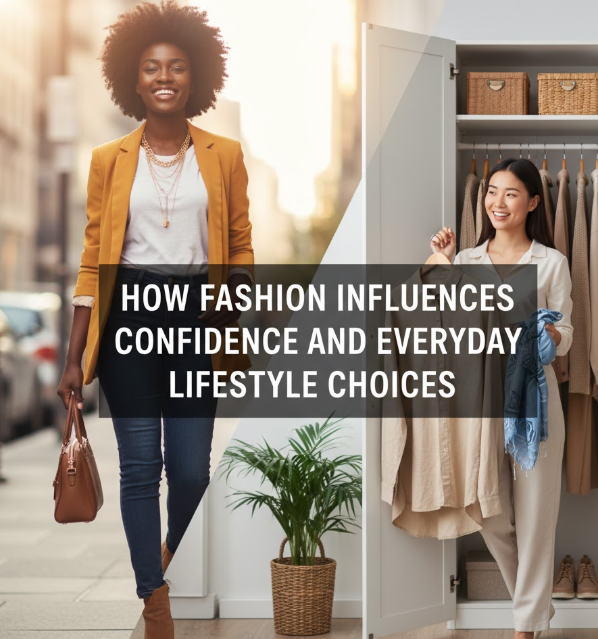
Introduction: More Than Just Clothes
Fashion is often seen as a matter of style or personal taste—but it’s much deeper than that. The way we dress every day can change how we feel, how we behave, and even how others perceive us. From choosing an outfit for school or work to dressing up for special occasions, fashion plays a silent yet powerful role in shaping confidence and lifestyle.
When you put on a well-fitted shirt, clean shoes, and an outfit that expresses your personality, something changes inside you. You walk differently. You speak differently. You feel more confident. That’s the magic of fashion—it’s not only about trends; it’s about empowerment and identity.
In this article, we’ll explore how fashion affects your confidence, influences your daily habits, and helps you express who you truly are.
The Connection Between Fashion and Confidence
Fashion isn’t just a visual statement—it’s an emotional experience. What you wear can directly impact your self-esteem, your body language, and even your performance in daily activities.
1. Dressing as a Form of Self-Expression
Every outfit tells a story. Whether it’s bold and colorful or calm and minimalist, fashion lets you communicate your personality without saying a word.
-
Creative individuals often wear vibrant colors and unique accessories.
-
Professionals may prefer neat, tailored outfits that show discipline and focus.
-
Introverts might feel more comfortable in neutral tones that keep attention balanced.
When people feel that their clothing reflects who they are, their confidence naturally rises. They feel “at home” in their own skin—and that’s a powerful feeling.
2. The Psychology of “Enclothed Cognition”
There’s a psychological concept called enclothed cognition, which means that the clothes you wear can influence your thoughts, emotions, and behavior.
For example:
-
Wearing a suit or formal attire often makes people feel more powerful and capable.
-
Putting on athletic wear can boost energy and motivation for physical activity.
-
Dressing casually may help reduce stress and encourage creativity.
This theory proves that fashion doesn’t just change how we look—it changes how we think and act.
3. Confidence Starts with Comfort
No matter how stylish an outfit is, if it’s uncomfortable, it can ruin your day. Confidence comes from feeling relaxed and free in what you’re wearing.
Here’s a simple truth:
Comfort and confidence go hand in hand.
That’s why so many modern fashion brands now focus on fabrics that are both stylish and breathable—cotton, linen, and stretch materials that support movement without sacrificing looks.
Fashion’s Role in Everyday Lifestyle Choices
Fashion doesn’t stop at the wardrobe—it influences the choices we make daily, from how we socialize to how we manage our routines.
1. The Morning Mood Booster
Have you ever noticed how putting on a nice outfit instantly improves your mood? Choosing clothes that make you feel good sets the tone for your entire day.
A study by the University of Hertfordshire found that people who wore clothes they liked reported higher levels of happiness and confidence throughout the day.
Here’s a simple example:
| Outfit Type | Common Mood Outcome | Example Scenario |
|---|---|---|
| Bright colors | Energetic, happy | Meeting friends |
| Neutral tones | Calm, focused | Office or study |
| Athletic wear | Motivated | Morning workout |
| Formal wear | Professional, confident | Presentation day |
So next time you wake up, don’t underestimate the power of your outfit choice—it might decide how your whole day unfolds.
2. How Fashion Shapes Social Interactions
The way we dress influences how others approach and interact with us. Fashion helps create first impressions, and those impressions often last.
-
People tend to respect well-dressed individuals more quickly in professional or social settings.
-
Fashion can build social connections—for example, fans of certain brands or styles often find common ground easily.
-
Personal style can attract like-minded people, strengthening friendships and relationships.
Fashion can also help reduce social anxiety. When you feel good about your outfit, you’re less likely to worry about what others think, allowing you to focus more on genuine communication.
3. Influence on Work and Productivity
Believe it or not, fashion also affects how productive you are.
Many remote workers found during the pandemic that changing out of pajamas into casual workwear helped them focus better.
Here’s a small comparison table:
| Type of Outfit | Mental Impact | Productivity Level |
|---|---|---|
| Pajamas | Relaxed but lazy | Low |
| Casual workwear | Balanced comfort | High |
| Formal office wear | Serious and focused | Very High |
This shows that fashion plays a psychological role in preparing your mind for different tasks throughout the day.
Fashion as a Tool for Self-Improvement
Fashion can be more than aesthetics—it can motivate you to grow, set goals, and embrace a better lifestyle.
1. Building Discipline Through Style
When you care about how you present yourself, you naturally build discipline. Maintaining a neat wardrobe, ironing clothes, and matching accessories teach you organization and attention to detail.
Simple fashion habits can transform your daily routine:
-
Plan outfits the night before.
-
Keep your wardrobe clean and categorized.
-
Try new styles occasionally to build confidence.
-
Maintain proper hygiene and grooming with your look.
These small habits slowly turn into life skills—consistency, self-awareness, and time management.
2. Motivation Through Personal Style
Sometimes, the right outfit can inspire action. Wearing gym clothes can push you to work out. A crisp shirt can make you feel ready for success.
Your wardrobe can serve as your visual motivation board—each outfit reminding you of the version of yourself you want to become.
For instance:
-
Dressing professionally encourages goal-driven behavior.
-
Trendy yet comfortable outfits promote social confidence.
-
Minimalist fashion supports a simpler, stress-free lifestyle.
3. Fashion and Mental Health
Fashion can have therapeutic benefits. Choosing colors and textures that uplift your spirit can reduce anxiety and boost positivity.
Color psychology plays a key role here:
| Color | Emotional Effect | Suggested Use |
|---|---|---|
| Blue | Calm, peaceful | Office wear |
| Yellow | Energetic, cheerful | Casual days |
| Black | Powerful, elegant | Formal events |
| Green | Refreshing, balanced | Outdoor wear |
| Pink | Warm, friendly | Social gatherings |
Choosing the right colors can subtly shift your mindset and mood throughout the day.
Fashion’s Impact on Self-Image and Society
Fashion doesn’t just affect individuals—it shapes cultures, communities, and how people view themselves in society.
1. The Mirror Effect: Seeing Yourself Differently
When you wear clothes that make you feel attractive, your brain associates that image with self-worth. Over time, this strengthens your self-image.
A powerful outfit can literally make you see yourself differently in the mirror—not just physically, but emotionally too. You start believing, I look good, I feel good, I am capable.
That belief radiates in every aspect of life.
2. Fashion and Social Identity
Fashion helps you connect with communities and express your cultural or personal identity. From traditional attire to streetwear, every choice tells a cultural story.
Examples:
-
Wearing ethnic clothes on national days promotes pride and belonging.
-
Adopting eco-friendly fashion supports sustainability and self-respect.
-
Following fashion subcultures (like vintage, hip-hop, or minimalist styles) gives you a sense of belonging.
These choices are more than trends—they’re lifestyle statements.
3. Media, Trends, and Self-Perception
Social media has changed how we view fashion and ourselves. Platforms like Instagram and Pinterest encourage people to explore new looks, but they can also create unrealistic expectations.
To stay confident:
-
Focus on personal comfort rather than comparison.
-
Follow influencers who promote authenticity over perfection.
-
Experiment with trends, but stay true to your own identity.
Remember: fashion should empower, not pressure.
Fashion Choices That Instantly Boost Confidence
If you’re looking to enhance your daily confidence, here are some practical fashion tips that really work:
1. Wear Clothes That Fit Well
A perfect fit changes everything. Avoid oversized or overly tight clothes. Tailored outfits give your body the right shape and posture.
2. Choose Fabrics That Feel Good
Soft, breathable materials like cotton, linen, and jersey keep you relaxed throughout the day.
3. Play with Colors
Don’t stick to the same shades every day. Bright colors can uplift your mood; darker tones can add sophistication.
4. Keep Your Shoes Clean
Shoes are one of the first things people notice. Clean, well-kept footwear instantly improves your look and confidence.
5. Accessorize Smartly
A simple watch, belt, or scarf can make an outfit look polished without being flashy.
6. Develop a Signature Style
Create a personal touch—maybe a favorite color, hairstyle, or pattern—that becomes your trademark.
Quick Style Checklist
| Category | Must-Haves | Confidence Tip |
|---|---|---|
| Casual | Jeans, t-shirts, sneakers | Keep them neat and wrinkle-free |
| Workwear | Blazers, formal pants, polished shoes | Add a splash of color with accessories |
| Fitness | Comfortable sportswear, trainers | Choose moisture-wicking fabrics |
| Party | Dress or smart outfit with statement piece | Focus on fit and comfort |
| Minimalist | Neutral palette, simple cuts | Let quality speak louder than quantity |
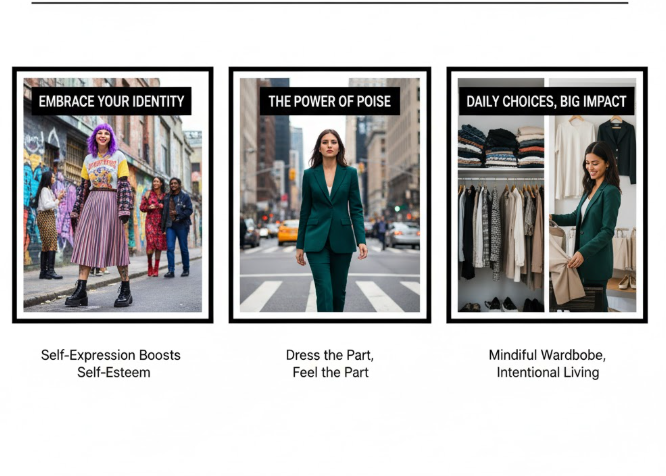
How Fashion Shapes Long-Term Lifestyle Habits
Over time, your fashion preferences influence more than your wardrobe—they affect how you live.
-
Budgeting habits: People who value quality over quantity spend wisely and avoid fast fashion waste.
-
Sustainability choices: Conscious shoppers prefer eco-friendly fabrics and ethical brands.
-
Time management: Organized dressers save time choosing outfits and preparing for events.
-
Health and posture: Well-fitted shoes and clothing promote better physical posture and comfort.
In other words, the way you dress can transform your approach to health, finance, and time.
Infographic: The Cycle of Fashion and Confidence
This cycle repeats itself—fashion feeds confidence, and confidence strengthens lifestyle habits.
The Future of Fashion and Personal Well-Being
With growing awareness of mental health and self-expression, the future of fashion is shifting toward personalization and comfort.
Key emerging trends include:
-
Sustainable fashion: Choosing eco-friendly fabrics that feel good inside and out.
-
Gender-neutral designs: Promoting inclusivity and confidence for everyone.
-
Smart clothing: Outfits integrated with technology to monitor health and posture.
-
Slow fashion movement: Encouraging quality over quantity and mindful shopping.
These trends reflect how fashion is evolving from mere appearance to a form of emotional and lifestyle wellness.
Conclusion: Dress for the Life You Want
Fashion isn’t vanity—it’s a reflection of self-respect, emotion, and personal growth. The right outfit can make you feel unstoppable, while the wrong one can drain your energy.
When you dress with intention—choosing comfort, confidence, and authenticity—you start building a lifestyle that mirrors those same values.
So next time you stand in front of your wardrobe, don’t just ask, “What should I wear?”
Ask yourself, “How do I want to feel today?”
Because fashion isn’t about labels or price tags—it’s about wearing your confidence, every single day.
