


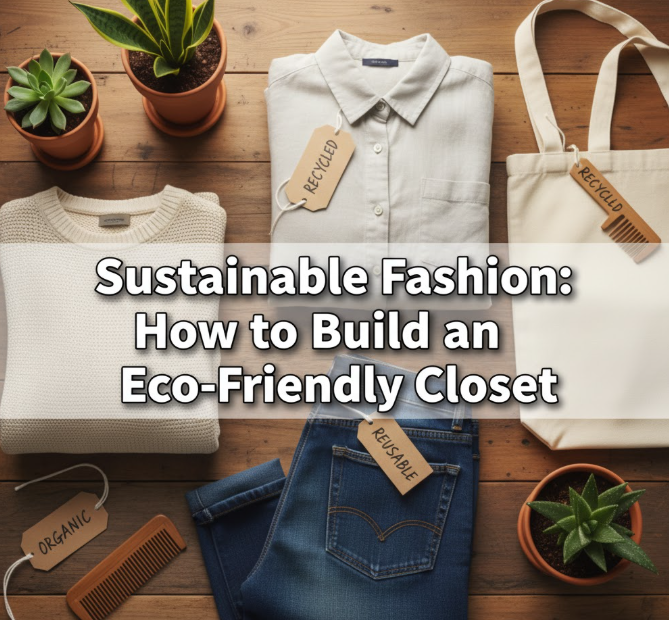
🌿 Introduction
Fashion is more than just what we wear — it’s a reflection of who we are, our values, and the impact we leave on the planet. Over the years, the fashion industry has evolved rapidly, but not always in a good way. Fast fashion has taken over, leading to massive textile waste, water pollution, and unethical labor practices.
That’s where sustainable fashion steps in — a movement that focuses on caring for both people and the planet while still allowing you to express your personal style.
In this guide, we’ll explore how to build an eco-friendly closet that looks great, lasts long, and supports ethical choices — without giving up your sense of fashion.
What Is Sustainable Fashion?
Sustainable fashion is all about creating and wearing clothes in ways that reduce harm to the environment and support fair working conditions. It involves:
-
Using eco-friendly materials
-
Reducing waste and pollution
-
Supporting ethical labor practices
-
Choosing quality over quantity
Simply put, it’s about buying less, choosing well, and making it last.
Why Sustainable Fashion Matters
The fashion industry is one of the largest polluters in the world. According to the United Nations, it contributes around 10% of global carbon emissions and nearly 20% of wastewater worldwide.
Here’s a quick look at how traditional fashion harms our planet:
| Problem | Impact on Environment |
|---|---|
| Overproduction | Leads to landfill waste (85% of textiles end up in dumps) |
| Synthetic fabrics | Release microplastics into oceans |
| Water consumption | Cotton production requires massive amounts of water |
| Chemical dyes | Pollute rivers and harm aquatic life |
| Fast fashion cycles | Encourage overconsumption and waste |
By making small, mindful changes in your clothing choices, you can help reduce these harmful effects and make fashion a force for good.
Step 1: Evaluate What You Already Own 👚
Before buying anything new, start with what’s already in your closet.
Here’s how to do a wardrobe audit:
-
Take everything out of your wardrobe and drawers.
-
Sort items into four categories:
-
Keep (you wear it often and love it)
-
Repair (needs small fixes)
-
Donate/Sell (still wearable but not your style)
-
Recycle (too worn out to use)
-
-
Ask yourself these questions:
-
Does it still fit me well?
-
Have I worn it in the last year?
-
Does it match other pieces in my wardrobe?
-
By decluttering mindfully, you’ll see what you actually use — and avoid unnecessary purchases later.
Step 2: Choose Quality Over Quantity
Fast fashion tempts us with cheap, trendy clothes that often fall apart after a few washes. But investing in quality pieces means you’ll have clothes that last longer and reduce waste.
Look for:
-
Strong stitching and well-finished seams
-
Natural or recycled fibers
-
Timeless designs that don’t go out of style
-
Brands that offer repair or recycling programs
Example: Instead of buying five low-quality T-shirts that fade quickly, buy one or two made from organic cotton that last years.
Step 3: Learn About Eco-Friendly Fabrics
Not all fabrics are created equal. Some are gentle on the environment, while others cause pollution and waste.
Here’s a table to help you understand better:
| Eco-Friendly Fabrics | Benefits |
|---|---|
| Organic Cotton | Grown without harmful pesticides or chemicals |
| Linen | Made from flax; biodegradable and durable |
| Hemp | Grows quickly, needs little water, and resists pests |
| Tencel (Lyocell) | Made from sustainably sourced wood pulp |
| Bamboo Fabric | Naturally soft, breathable, and renewable |
| Recycled Polyester | Made from plastic bottles, reduces waste |
When shopping, check the label or product description to ensure your clothes are made from sustainable materials.
Step 4: Support Ethical and Transparent Brands 🧵
An eco-friendly closet isn’t just about materials — it’s about people, too. Many fast fashion companies rely on cheap labor and unsafe working conditions to keep prices low.
When you support ethical fashion brands, you’re helping workers earn fair wages and work safely.
How to find ethical brands:
-
Check their “About Us” or “Sustainability” pages
-
Look for certifications like:
-
Fair Trade Certified
-
GOTS (Global Organic Textile Standard)
-
OEKO-TEX
-
B Corp Certification
-
-
Follow sustainable fashion influencers for brand recommendations
Tip: A great eco-friendly brand is one that’s transparent about where and how their clothes are made.
Step 5: Buy Secondhand or Vintage
Thrifting isn’t just trendy — it’s eco-smart. Buying pre-loved clothing helps extend the life cycle of garments and keeps them out of landfills.
You can explore:
-
Local thrift shops
-
Online resale platforms (like Depop, ThredUp, or Poshmark)
-
Vintage boutiques
-
Clothing swap events with friends
💡 Fun idea: Host a clothing swap party — invite friends to bring items they no longer wear and trade them for something new-to-you.
Step 6: Rent or Borrow for Special Occasions
Instead of buying a dress or suit you’ll only wear once, consider renting. Clothing rental services are becoming popular for weddings, formal events, or even everyday fashion.
Benefits of renting:
-
Reduces waste
-
Saves closet space
-
Lets you enjoy luxury items at a lower cost
Websites like Rent the Runway and HURR offer stylish options for every occasion.
Step 7: Take Care of Your Clothes Properly
The most sustainable clothes are the ones you already own — so take care of them!
Here’s how to make your clothes last longer:
🧺 Laundry Tips
-
Wash in cold water to save energy
-
Use mild, eco-friendly detergent
-
Air dry instead of using a dryer
-
Wash only when necessary
🪡 Repair & Revamp
-
Learn simple sewing skills (fix buttons, mend tears)
-
Turn old jeans into shorts or tote bags
-
Use fabric dye or patches to refresh faded clothes
By treating your clothes well, you’ll save money and reduce your carbon footprint.
Step 8: Build a Capsule Wardrobe
A capsule wardrobe is a small, curated collection of versatile pieces that can be mixed and matched easily. It’s perfect for living sustainably while staying stylish.
✨ How to Build One:
-
Pick a neutral color palette (like black, white, beige, navy).
-
Choose 20–30 key pieces that you love and wear often.
-
Include basics such as:
-
A white shirt
-
Black trousers
-
Blue jeans
-
A classic blazer
-
A simple dress or skirt
-
A denim jacket or cardigan
-
-
Rotate seasonally to keep things fresh.
Benefits:
-
Less clutter
-
Faster outfit choices
-
More creativity with fewer clothes
Step 9: Recycle and Upcycle Fashion Waste
If your clothes are too damaged to donate, don’t throw them away. Many companies and communities now offer textile recycling programs.
Ways to recycle/upcycle:
-
Drop off old clothes at recycling bins or collection centers
-
Use fabric scraps for cleaning or crafts
-
Support brands with take-back programs (like H&M’s Garment Collecting)
You can also upcycle by turning old garments into something new — for example, transform an oversized shirt into a trendy crop top!
Step 10: Adopt a “Slow Fashion” Mindset 🐢
Slow fashion is the opposite of fast fashion. It’s about intentional choices — buying fewer clothes that you truly love, and wearing them for years.
Principles of Slow Fashion:
-
Thoughtful shopping
-
Fewer, better-quality purchases
-
Respect for makers and materials
-
Repair, reuse, recycle
When you embrace slow fashion, you’re not just changing your closet — you’re joining a global movement for a healthier planet.
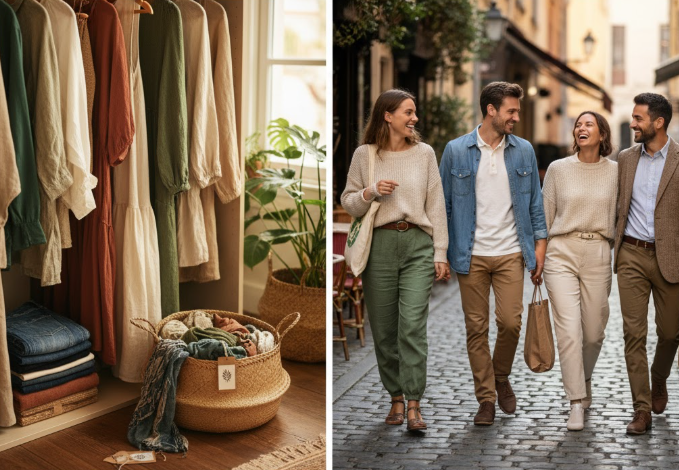
Eco-Friendly Fashion Tips for Everyday Life
Here are some simple habits to make your wardrobe even greener:
✅ Buy locally made clothes to reduce shipping emissions
✅ Avoid impulse shopping — make a wish list first
✅ Choose natural dyes and non-toxic fabrics
✅ Donate or sell clothes you don’t wear
✅ Follow sustainable fashion blogs for inspiration
Quick Comparison: Fast Fashion vs. Sustainable Fashion
| Aspect | Fast Fashion | Sustainable Fashion |
|---|---|---|
| Production Speed | Very fast, new trends every week | Slow, thoughtful production |
| Material Quality | Cheap, synthetic fabrics | Natural or recycled materials |
| Environmental Impact | High waste and pollution | Low impact, eco-friendly |
| Worker Conditions | Often unethical | Fair wages and safety standards |
| Lifespan of Clothing | Short (few months) | Long-lasting (years) |
Infographic: The Life Cycle of a Sustainable Outfit
(Imagine an infographic here with steps like)
Raw Material → Ethical Production → Conscious Shopping → Proper Care → Recycling or Upcycling
Sustainable Fashion on a Budget 💰
Many people believe eco-friendly fashion is expensive — but it doesn’t have to be!
Here’s how to save money while staying green:
-
Shop secondhand instead of buying new.
-
DIY clothing fixes to extend life.
-
Join community swaps or online giveaways.
-
Buy off-season to get discounts on quality items.
-
Follow sales from ethical brands.
Remember, the goal isn’t to replace your whole wardrobe overnight — it’s to make better choices step by step.
How Sustainable Fashion Helps the Planet 🌍
By switching to eco-friendly clothing habits, you contribute to:
-
Reduced carbon footprint
-
Cleaner air and water
-
Less textile waste in landfills
-
Fair wages and safe working conditions
-
Protection of animal habitats
When millions of people make these small changes, the impact becomes powerful and lasting.
Future of Sustainable Fashion
The future of fashion is green, digital, and circular.
Emerging trends include:
-
Clothing made from food waste (like orange or pineapple fibers)
-
Biodegradable fabrics that return safely to the earth
-
AI-driven fashion recycling
-
3D printing to reduce textile waste
-
Virtual fitting rooms to minimize returns and packaging
Fashion is evolving — and sustainability is becoming the new luxury.
Conclusion: Dress with Purpose, Style, and Heart 💚
Building an eco-friendly closet isn’t just a trend — it’s a lifestyle shift. Every item you wear has a story: how it was made, who made it, and what impact it leaves behind.
By choosing sustainable fashion, you’re saying “yes” to:
🌱 A cleaner planet
👩🏭 Fair treatment for workers
♻️ Less waste
💃 And timeless style that truly reflects you
Start small — repair a shirt, buy secondhand, or try an organic fabric — and soon you’ll realize how easy it is to make fashion both beautiful and responsible.
Your clothes can be more than just fashion. They can be a statement of care, respect, and change.
